A Guide to Traditional Maharashtrian Ukhane and Their Cultural Significance

The tradition of Ukhane is central to Maharashtrian ceremonies, particularly weddings. These are rhyming couplets or quatrains that serve a deeply personal and unique cultural purpose. This practice is an endearing blend of poetry, respect, and playful shyness.
While looking for these verses, you may take a pause and discover an engaging pastime like mines game real money download to play on your device.
What Ukhane Really Are
The term Ukhane refers to the formal ritual of reciting a phrase that includes one’s spouse’s name. Traditionally, it is disrespectful for a wife to call her husband by his given name in front of elders. The Ukhane tradition offers an elegant, acceptable workaround. By weaving the name into a poetic verse, the speaker honors their partner while maintaining decorum.
The structure of an Ukhane is simple enough for children to learn and flexible enough for adults to personalize. It usually combines an introductory metaphor with a closing line that includes the spouse’s name. This creates a balance of poetic imagery and social purpose.
Why Ukhane Matter in Maharashtrian Society
Ukhane plays a symbolic role in expressing respect, affection, and social harmony. Reciting the spouse’s name in a public setting is considered a sign of acknowledgment and togetherness. The tradition is particularly valued because it makes the spoken word the center of the ritual rather than expensive or material gestures.
Families encourage young couples to create or memorize new verses. This ensures that the custom remains active while adapting to different personalities and regional dialects. In this way, poetry becomes a bridge between generations.
Key cultural functions of Ukhane include:
- Reinforcing marital bonding through respectful public acknowledgment
- Preserving poetic traditions that connect younger and older generations
- Encouraging creativity through metaphor, humor, and imagery
- Strengthening the cultural identity of Maharashtrian communities.
Each of these functions contributes to the continued relevance of Ukhane, making them far more than simple verses.
Common Themes
Traditional Ukhane draws inspiration from agriculture, seasons, household items, flowers, and everyday work. These objects help keep the verses grounded in reality, making them accessible to anyone regardless of age or education.
Many verses use simple comparisons that feel familiar within Marathi culture. For example, mango blossoms, turmeric lamps, or village festivals often appear as symbolic elements.
Popular themes include:
- Celebrations and household rituals
- Local foods and seasonal produce
- Village landscapes and nature
- Community roles and family relationships.
These themes allow speakers to personalize verses while still respecting cultural expectations.
The Digital Age
In recent years, Ukhane have expanded beyond traditional ceremonies. Social media platforms, messaging apps, and community blogs feature new versions written in Marathi, Hindi, or bilingual formats.
Younger generations create fresh Ukhane that blend traditional imagery with modern references. This approach keeps the form alive while allowing room for humor and personal expression. Digital spaces also encourage collaborative writing, which helps variations spread quickly.
Learning and Crafting Your Own Ukhane
Learning Ukhane begins with listening. Most families introduce children to verses during festivals or weddings. As children grow, they start memorizing and comparing different styles. Many schools and cultural groups also encourage students to participate in recitation activities.
Crafting a new Ukhane requires attention to rhythm and structure. The first line usually describes an object, scene, or metaphor. The second line ties the image to the spouse’s name in a respectful manner. The goal is clarity and charm rather than complexity.
Ukhane at Weddings and Festivals
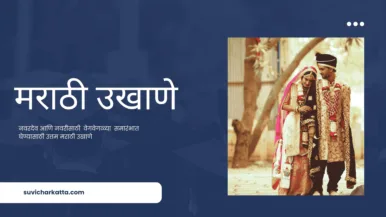
Weddings remain the most recognizable context for Ukhane. During specific rituals, each partner recites a verse mentioning the other’s name. This helps mark the union in a social setting where family and community gather.
Festivals such as Makar Sankranti or Gauri Ganpati also include opportunities for informal recitation. Women recite Ukhane during haldi ceremonies, community meals, or playful gatherings.
A Cultural Practice That Continues to Develop
The endurance of Ukhane demonstrates how cultural practices can grow alongside modern life. The form remains meaningful because it emphasizes creativity, respect, and shared identity. Generations continue to recite, write, and exchange verses in ways that preserve the heart of the tradition while welcoming new interpretations.
Ukhane will likely continue to evolve as families experiment with new imagery and digital communities broaden participation. The combination of poetry, ritual, and cultural relevance ensures that this tradition remains a valued expression of Maharashtrian heritage for years to come.