
Data Centers And Power Use The Quiet Problem Hiding Behind The Cloud
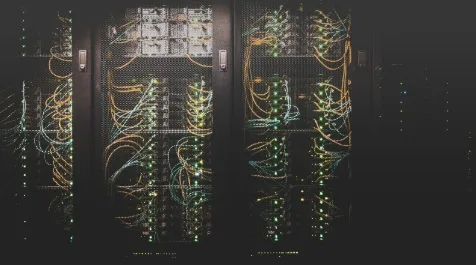
“Cloud” still sounds light and invisible, like data floats somewhere far away and costs nothing to keep alive. In reality, every search, stream, backup, and AI request lands on physical machines that pull real electricity every second. Data centers have become the factories of the digital age, except the smokestacks are hidden behind clean branding and locked doors.
That invisibility is exactly why the topic stays under-discussed. A person can open a weather app, send a file, and then jump to an online casino aviator in the same session without ever thinking about what kept all those services running. The same racks that host games, messages, and videos also demand power for computing, cooling, and reliability systems. The “simple” online moment is backed by an industrial scale energy footprint.
Why Energy Use Keeps Rising Even When Hardware Improves
Modern chips are more efficient than older ones, yet total consumption keeps growing because demand grows faster than efficiency gains. More services run in real time. More people stay connected all day. More video is streamed in higher resolution. More AI workloads run on specialized hardware that is powerful and hungry.
A second driver is redundancy. Data centers are designed to never go dark. That means multiple layers of backup power, duplicate networking paths, spare capacity, and cooling systems sized for worst-case scenarios. Reliability is the product, and reliability has an energy price.
The Hidden Costs Most Users Never See
Energy is only part of the story. Cooling can be as important as computing, especially in warm climates or in dense AI clusters where heat output is intense. Water use can also rise in some cooling designs. Then there is the grid impact: large facilities behave like small cities, drawing steady power and sometimes stressing local infrastructure.
Before the first list, one idea makes the issue clearer. Data center impact is not one single number, it is a set of pressures that stack together.
Key ways data centers strain energy systems
- Higher Baseline Electricity Demand In Local Grids
- Peak Load Spikes During Heat Waves And Busy Periods
- Cooling Energy That Can Rival Server Energy
- Backup Power Systems That Add Overhead
- Network Equipment Running Constantly With Low Visibility
- Fast Growth That Outpaces Grid Upgrades
After these pressures combine, local debates appear: new jobs and investment versus higher grid stress and rising utility planning costs. Both sides can be true at the same time.
Why The Conversation Stays Quiet
Data centers are technical, and technical topics are easy to postpone. Another reason is that the cost is distributed. A user pays a small monthly fee, a company pays an electricity bill, and the grid absorbs the long-term burden. No single moment feels dramatic, so the subject rarely becomes urgent.
There is also a perception problem. Data centers support everything people like, entertainment, communication, remote work, education. Criticizing the footprint can sound like criticizing modern life itself. That framing blocks nuance. The real conversation is not “turn it off.” The real conversation is “run it smarter.”
What “Smarter” Can Look Like In Practice
Energy efficiency improvements exist, and many operators already chase them because power is expensive. Better airflow design, higher temperature tolerance, improved power delivery, and more efficient hardware can lower waste. Locating facilities near cleaner power sources can reduce emissions intensity. Shifting flexible workloads to off-peak hours can help grids breathe.
The biggest improvements often come from boring operations discipline. Measuring real usage, reducing idle capacity, and optimizing software so fewer machines do the same work. AI workloads make this harder, because demand can spike quickly, but efficiency still matters.
The AI Factor That Changes The Math
Traditional workloads like web hosting and storage are heavy, but AI training and large-scale inference can be heavier. Specialized accelerators run hot. Cooling systems get pushed. Facilities may need upgrades sooner. This is not a temporary spike either. Many industries are building AI into daily operations, which means data center power planning becomes a long-term strategic issue.
This is where transparency becomes valuable. Without clear reporting, it is hard for communities and policymakers to plan grid investments realistically. Without planning, the risk is rushed expansion that creates strain and backlash.
What Could Make The Future More Sustainable
No single fix solves the problem, but a mix of engineering and policy can reduce the worst impacts. The goal is to meet digital demand without turning power planning into permanent crisis mode.
Before the second list, a useful frame helps. The most realistic path is many small improvements that compound.
Practical moves that reduce energy impact over time
- Better Efficiency Standards For New Data Center Builds
- Clear Reporting On Power And Cooling Performance
- Workload Shifting To Match Cleaner Energy Availability
- Hardware Reuse And Longer Lifecycles Where Possible
- Heat Reuse Projects That Turn Waste Into Local Heating
- Grid Partnerships That Fund Infrastructure Upgrades
After these steps become normal, growth can continue with less friction. The digital world does not need to shrink, but it does need to mature.
Why This Topic Matters More Than It Sounds
Data centers are not a niche issue anymore. They sit under entertainment, finance, healthcare, education, and AI. When energy becomes expensive or limited, data center expansion becomes a political and economic story, not just a tech story. Talking about it early is the cheaper option. Ignoring it until the grid feels tight is the expensive option.